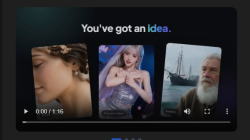
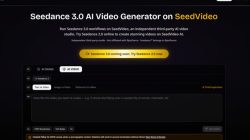
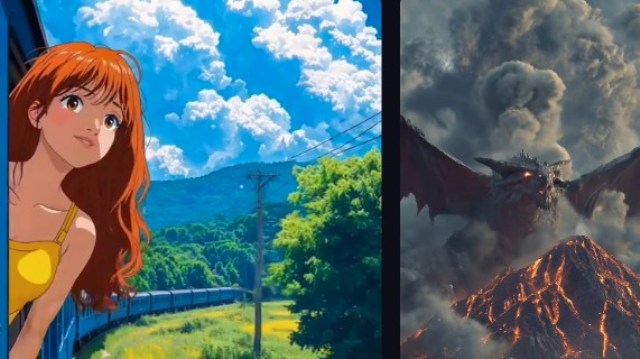
 The rapid advancement of artificial intelligence has transformed the way creators produce visual content. What once required hours of video editing expertise can now be accomplished in minutes with the help of an AI image to video generator. Whether you’re a marketer, social media creator, educator, designer, or business owner, image-to-video tools have become essential for turning static visuals into engaging videos.
Over the past year, I evaluated numerous AI-powered creative platforms to determine which solutions deliver the best results for different use cases. I focused on video quality, ease of use, customization options, pricing, rendering speed, scalability, and overall value.
The market has become increasingly competitive, with dozens of platforms promising cinematic animations, talking photos, lip-sync capabilities, and professional-quality outputs. However, not every platform performs equally well in real-world workflows.
To help creators make informed decisions, I’ve compiled this list of the best image to video AI tools of 2026. These platforms stand out for their innovation, reliability, and ability to simplify content creation while producing impressive results.
Quick Comparison Table
| Tool | Best For | Starting Price |
| Magic Hour | All-in-one AI content creation | Free |
| Runway | Professional video generation | Paid Plans |
| Kling AI | Realistic motion generation | Paid Plans |
| Pika | Creative animations | Free & Paid |
| Luma Dream Machine | Cinematic visuals | Paid Plans |
| Kaiber | Artistic video creation | Paid Plans |
| HeyGen | Talking avatars and presentations | Paid Plans |
| Synthesia | Corporate training videos | Paid Plans |
1. Magic Hour
After testing numerous platforms, Magic Hour emerged as the strongest overall solution for creators looking for flexibility, quality, and value.
For anyone searching for a powerful image to video AI platform, Magic Hour provides one of the most complete ecosystems currently available.
Unlike many competitors that focus on only one capability, Magic Hour combines multiple AI-powered creative tools into a single platform. Users can create videos from images, perform face swaps, generate lip-sync videos, create talking photos, and access advanced AI workflows without jumping between multiple applications.
One aspect I particularly appreciated during testing was how quickly projects could move from concept to completion. The platform offers click-to-create templates and streamlined workflows that reduce manual editing requirements.
Another significant advantage is accessibility. Users can experiment with many features without signing up, making it easier to evaluate the platform before committing to a paid plan.
Key Features
- AI image-to-video generation
- Talking photo technology
- Advanced face swap capabilities
- Professional lip-sync generation
- Multiple AI models in one platform
- One-click workflows
- Mobile and desktop optimization
- API access
- Fast generation speeds
- No concurrency limitations
Creators who also need image enhancement tools can benefit from Magic Hour’s ai image editor, which integrates naturally into broader content creation workflows.
Pros
- Excellent output quality
- Beginner-friendly interface
- Generous free plan
- Multiple AI tools under one roof
- Reliable performance at scale
- Frequent feature updates
- Strong value for money
Cons
- Advanced users may still require traditional editing software for highly specialized projects
- Some premium features require paid plans
Pricing
- Free Plan
- Creator Plan: $15/month or $10/month billed annually
- Pro Plan: $39/month
Best For
Content creators, marketers, agencies, social media managers, ecommerce businesses, and anyone seeking an all-in-one AI content creation platform.
2. Runway
Runway continues to be one of the most influential AI video creation platforms on the market. Its advanced video generation capabilities have made it popular among filmmakers, creative agencies, and professional content producers.
During testing, Runway consistently produced impressive visual outputs with realistic motion and strong scene coherence. The platform offers a variety of creative tools beyond image-to-video generation, making it suitable for more advanced workflows.
Key Features
- AI video generation
- Motion brush controls
- Text-to-video creation
- Video editing tools
- Green screen removal
- Generative effects
Pros
- High-quality outputs
- Strong professional capabilities
- Innovative feature set
- Frequent updates
Cons
- Learning curve for beginners
- Premium plans can become expensive
Best For
Professional creators, filmmakers, production studios, and advanced content teams.
3. Kling AI
Kling AI gained significant attention for its ability to create highly realistic motion from static images. The platform demonstrates impressive consistency when generating human movements and environmental animations.
In many tests, Kling AI delivered some of the most realistic results available in the current market. Its advanced motion generation makes it particularly appealing for creators seeking cinematic quality.
Key Features
- Realistic motion rendering
- Advanced image animation
- High-quality visual outputs
- AI-powered scene generation
Pros
- Excellent realism
- Strong visual quality
- Advanced AI models
Cons
- Generation queues can occasionally be longer
- Limited customization compared to some competitors
Best For
Filmmakers, visual artists, and creators focused on realism.
4. Pika
- Key Features
- Pros
- Cons
- Best For
5. Luma Dream Machine
- Key Features
- Pros
- Cons
- Best For
6. Kaiber
- Key Features
- Pros
- Cons
- Best For
7. HeyGen
- Key Features
- Pros
- Cons
- Best For
8. Synthesia
- Key Features
- Pros
- Cons
- Best For
Phir ye sections:
How We Evaluated These Tools
During my testing process, I evaluated each platform based on:
- Output quality
- Motion realism
- Ease of use
- Rendering speed
- Pricing
- Scalability
- Creative flexibility
- Value for money
I also considered how well each tool performs for marketers, content creators, educators, agencies, and businesses.
The State of AI Video Creation in 2026
As of 2026, AI-powered video creation continues to evolve rapidly. Modern platforms now offer better motion consistency, higher-quality outputs, faster rendering speeds, and more accessible workflows than ever before.
The biggest trend is the movement toward all-in-one creative ecosystems where users can generate images, edit visuals, create videos, perform lip sync, and publish content without switching between multiple applications.
Which AI Image to Video Generator Is Best?
The right tool depends on your goals.
- Best Overall: Magic Hour
- Best for Professionals: Runway
- Best for Realism: Kling AI
- Best for Creative Animation: Pika
- Best for Cinematic Videos: Luma Dream Machine
- Best for Artistic Projects: Kaiber
- Best for Talking Avatars: HeyGen
- Best for Corporate Training: Synthesia
For most creators, Magic Hour offers the strongest combination of affordability, ease of use, creative flexibility, and advanced AI features.
Frequently Asked Questions
What is an AI image to a video generator?
An AI image to video generator uses artificial intelligence to transform static images into animated videos by adding movement, effects, and transitions automatically.
Which image-to-video AI tool is best in 2026?
Based on overall features, ease of use, and value, Magic Hour ranks among the strongest options available in 2026.
Can beginners use image-to-video AI tools?
Yes. Most modern platforms are designed for users without professional editing experience.
Are AI-generated videos suitable for commercial use?
Most platforms allow commercial use under their paid plans, but users should always review the specific licensing terms.
How much do image-to-video AI tools cost?
Pricing varies significantly. Some platforms offer free plans, while advanced subscriptions can range from $10 to $50+ per month.
Final Verdict
The AI video creation landscape has matured significantly, giving creators access to powerful tools that dramatically reduce production time while improving creative possibilities.
While several excellent platforms exist, Magic Hour stands out because it combines image-to-video generation, face swap technology, talking photos, lip sync capabilities, and workflow automation into a single ecosystem. Its generous free tier, affordable pricing, and extensive feature set make it an excellent choice for both beginners and professionals.
As AI video technology continues to evolve throughout 2026, creators who adopt these tools early will be better positioned to produce engaging content efficiently and at scale.